CAPTAIN RICO · FIELD NOTES
Bulk vs. Grab-and-Go: How I Think About Pantry Sizes
Large bags and individual packs solve different problems. My orders show both—and the tradeoff is more useful than a blanket “buy bulk” rule.
Affiliate disclosure: As an Amazon Associate I earn from qualifying purchases. Product links in this article are affiliate links.
My order history contains both 24-ounce bags of pistachios and little individual packets. It contains roasted edamame in packs and in a jar, and raw cashews in pantry-sized bags. That isn’t a contradiction. A bag that makes sense in the kitchen isn’t always the most convenient thing to take out the door.
The interesting comparison is not “good packaging versus bad packaging.” It’s whether the size and format fit the way the food will actually be used.
Two packages, two jobs
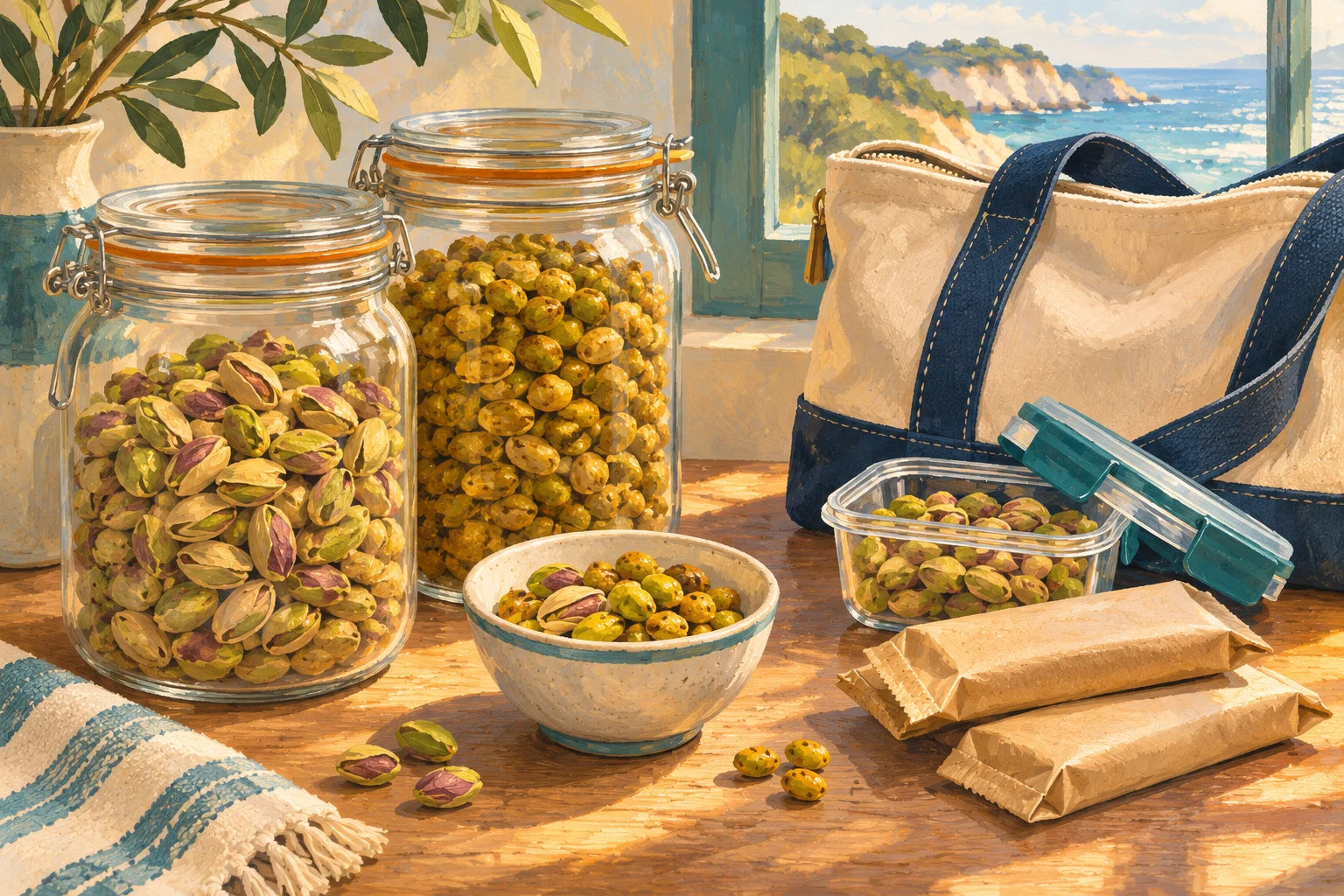
The 24-ounce Wonderful Pistachios bag appears in eight noncancelled 2026 orders. The 0.75-ounce individual packs appear in 10. The large bag offers a pantry supply you portion yourself. Individual packets give you a ready-to-carry amount without another container.
Neither count proves which is the better value. It doesn’t even tell us how many packages were consumed by one person. What it does show is that both formats found a place in my purchasing routine.
With edamame, the distinction is similar: sea-salt individual packs for a packaged portion, and a larger jar as another option. Check the weight on the exact listing rather than comparing the headline prices of different sizes.
Compare the unit, not just the price
To compare fairly, divide the total purchase price by the total weight. Keep the unit consistent—price per ounce against price per ounce, for example. Account for delivery charges and only include discounts you actually qualify for.
A lower unit price is useful only if you will use what you buy. A larger package doesn’t automatically produce savings when part of it is wasted, and a small packet isn’t automatically a poor choice when portability is the reason you bought it.
I don’t put a permanent “cheapest” badge on either format here. Prices and offers change. The method stays useful.
Four questions before buying the bigger bag
- Will it get used? Start with your actual pace, not an optimistic plan to eat something every day.
- Where will it live? Think about a suitable container and follow the package’s storage directions.
- Will you portion it? A pantry bag is more useful on the move if you’re willing to fill a small container before leaving.
- Is it the same product? Compare flavor, ingredients and package weight. A different listing can hide a different formulation or pack count.
My practical takeaway
There is room for a mix. Keep a pantry size for foods that reliably get used at home, and choose smaller packs when the convenience has a real purpose. You don’t need to buy both versions of every snack to make that work.
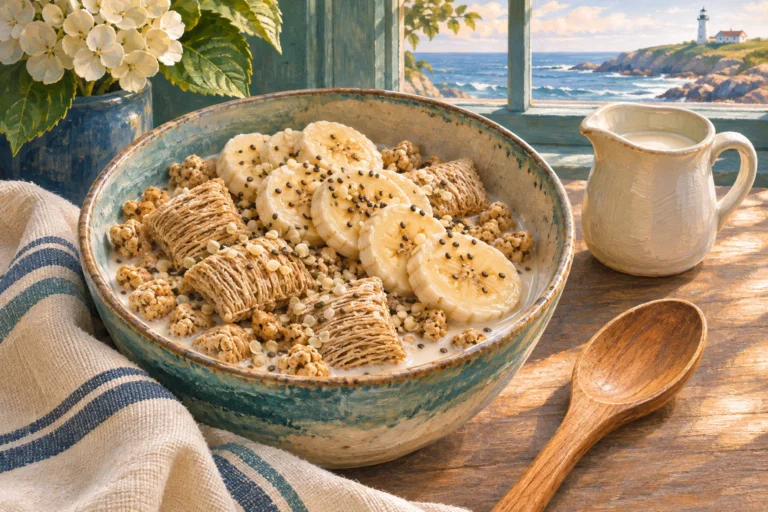
For cooking ingredients such as raw cashews, start with the meals you make. A larger bag can serve several recipes, but that only helps if those recipes are part of your life. The same thinking applies to cereal and seeds in my breakfast bowl.
A good pantry should reduce friction. Sometimes that means a jar on the shelf. Sometimes it means a wrapped snack already in the bag. The best format is the one that fits the job.